

When a tenant stops paying rent or breaks the lease, eviction can become necessary. For property owners in North Carolina and South Carolina, the process usually starts with legal notice, then a court filing, and then a sheriff or law enforcement officer carries out the final move-out if the tenant still does not leave.
Eviction is never the goal, but sometimes it is the only way to protect the property and move forward. If you own rental property, it helps to understand what happens next, how long it may take, and why working with an eviction attorney matters.
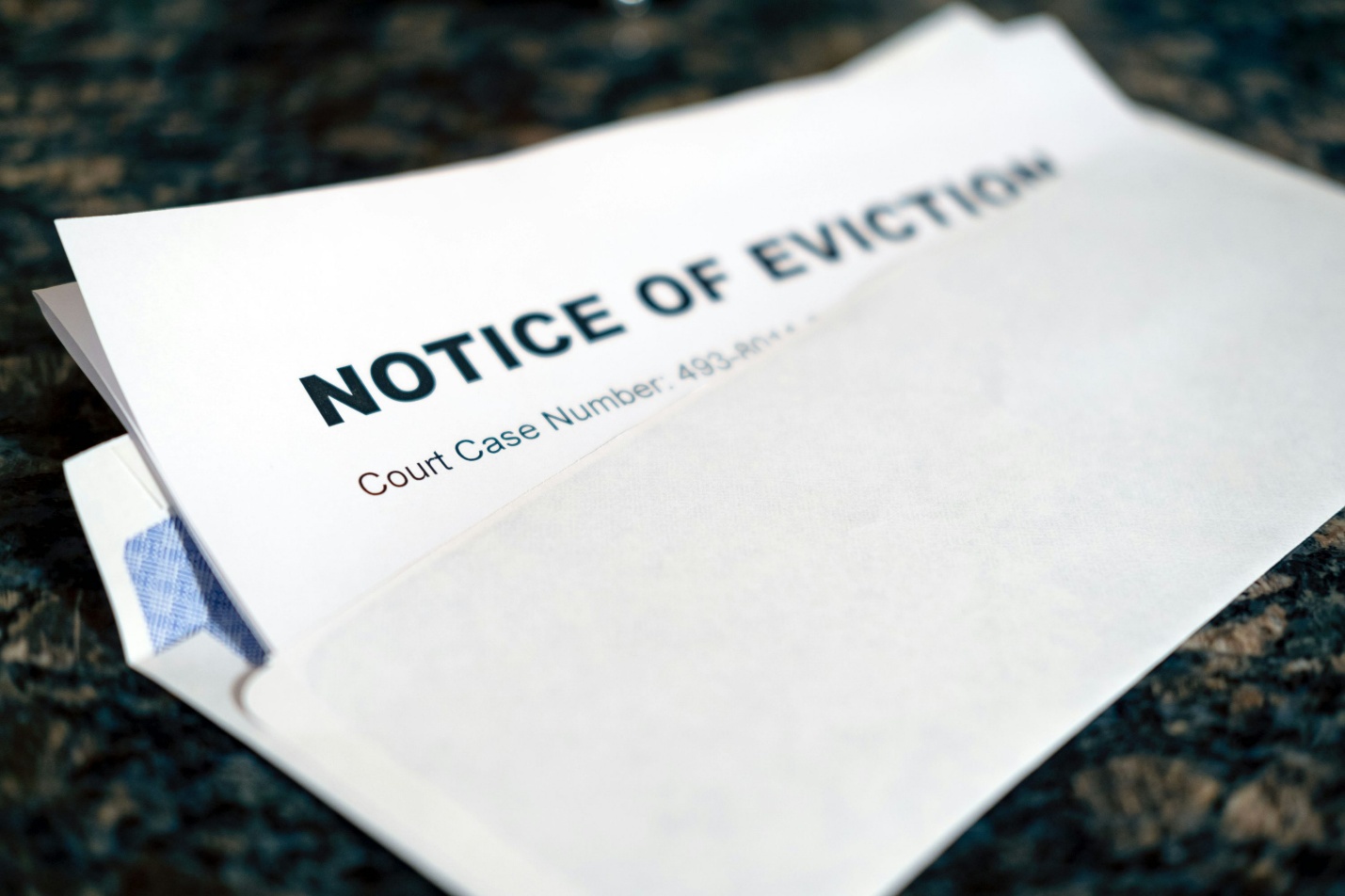
When an Eviction Starts
The most common reason for eviction is nonpayment of rent. In South Carolina, a landlord may begin ejectment proceedings when rent is unpaid after proper notice, or when the tenant violates the lease or stays after the lease ends. In North Carolina, the court’s landlord-tenant guidance explains that these cases are handled through the court system, and the sheriff may later be involved in carrying out a writ for possession.
Before the case goes to court, the landlord must follow the proper notice rules. In South Carolina, official legal sources say a 5-day notice is generally required for nonpayment of rent, while lease violations usually require a 14-day notice and lease-ending cases usually require a 30-day notice. North Carolina notice timing depends on the type of tenancy, lease language, and the reason for eviction, so that part should be confirmed with the attorney handling the case.
What the Attorney Does
Once the tenant has not cured the issue, an eviction attorney can file the case. In both states, the filing goes through the court system, and the attorney helps make sure the paperwork is done correctly and on time. That matters because eviction cases often move faster when the landlord has clear records, the lease is solid, and the notice was served the right way.
For property owners, this is one of the biggest reasons to hire a lawyer who handles evictions regularly. The attorney can prepare the filing, represent the owner in court, and push the case forward if the tenant has not paid rent or fixed the violation.
What Happens in Court
If the tenant does not resolve the issue, the case goes to court. In South Carolina, legal resources explain that the landlord files an application for ejectment, the tenant is served, and the tenant has a short time to respond or request a hearing. If the landlord wins, the court can issue a writ of ejectment that leads to the final removal process.
In North Carolina, once the court issues a writ for possession, the sheriff gives notice before removing the tenant’s personal property and carrying out the writ. The sheriff may execute the writ within five days of receipt, and the landlord may need to decide whether the tenant’s property stays, goes into storage, or gets handled after possession is returned. Exact court timing can vary by county and case type, so your attorney should confirm the schedule for your specific property.
The Move-Out and Setout
If the tenant still does not leave after the court order, law enforcement or the sheriff carries out the physical removal process. This is the point where the landlord gets possession back, and the tenant’s belongings must be handled according to state law.
In North Carolina, the statute says the sheriff may store the tenant’s property if the tenant does not take possession, and the landlord generally must allow the tenant to request the property within seven days after lawful possession is obtained. In South Carolina, legal sources state that after the writ is served, the tenant may have only 24 hours to leave before the physical setout happens. Your attorney should confirm who removes belongings, who stores them, and what notice is required in your county.
After the Property Is Recovered
Once the tenant is out, the work is not over. The property usually needs to be inspected, secured, cleaned, repaired if needed, and prepared for a new tenant. North Carolina law gives the landlord a path for handling tenant property after execution of a writ, including storage and disposal rules if the tenant does not reclaim items in time.
This is also the point where fast action matters. The longer a vacant unit sits, the longer the owner goes without rent, so the goal is to get the home back on the market as quickly as possible. Time to re-rent will depend on the condition of the home, the local market, and any repairs needed after move-out.
Why Records Matter
Good records can make the eviction process smoother. Keep copies of the lease, payment history, notices, emails, text messages, photos, inspection reports, and any written communication with the tenant. If the case ends up in court, those records help show the rent was not paid or the lease was broken.
This is especially important in nonpayment cases. A clear paper trail makes it easier for your attorney to prove the landlord did the right thing and followed the proper process.
What Owners Should Expect
An eviction is usually stressful, but it does not have to be confusing. If the tenant has not paid rent and the attorney follows the law, the case can often move through the court system without a long delay. After that, the sheriff or law enforcement handles the final removal, and the property owner can begin the process of getting the home rented again.
The main thing to remember is eviction is a legal process, not a self-help process. Owners should not change the locks, shut off utilities, or remove the tenant on their own. Any local practice beyond the statutes and court guidance should be confirmed with the attorney.
Conclusion
Eviction is never the ideal outcome, but when rent is not paid or the lease is broken, it is important to act quickly and follow the legal process. Working with an experienced property management team and an eviction attorney can help protect your property, reduce delays, and get the home ready for its next tenant.
If you are a property owner in North Carolina or South Carolina and need help with an eviction, contact Carolina Property Management today at 704-464-3931 or visit carolinapropertymanagement.com to learn more about how we can help.
FAQ
How long does an eviction take in North Carolina or South Carolina?
It can move quickly, but the exact timeline depends on the state, notice, court schedule, service, and whether the tenant contests the case. Your attorney can give a better estimate once the facts of the case are known.
Can a landlord evict a tenant for not paying rent?
Yes. Nonpayment of rent is a common legal reason for eviction in both states when the landlord follows the required notice and court process. 2025 South Carolina Code of Laws
Do property owners need a lawyer for eviction?
They are not always required to hire one, but many owners do because eviction law is detailed and mistakes can slow the case down. An eviction attorney can file the case and handle court for the owner. Landlord/Tenant Issues | North Carolina Judicial Branch
What happens after the court grants possession?
If the tenant still does not leave, the sheriff or other law enforcement officer carries out the removal and the owner regains possession. G.S. 42-36.2
What happens to the tenant’s belongings?
In North Carolina, the statute covers notice, storage, and the tenant’s chance to recover property within a set time after the writ is executed. In South Carolina, the process is handled through the writ of ejectment and the final set out rules described in state legal resources. G.S. 42-36.2
Can the tenant stop the eviction?
Yes, sometimes. The tenant may pay, cure the issue, respond in court, or raise a legal defense, depending on the facts and state law. The attorney should review whether the tenant has any valid defense in your specific case.