
Spend a little now or pay a lot later. That is the reality of rental property ownership, and it is why preventive maintenance is one of the smartest moves a landlord can make. Regular upkeep helps protect your property, support habitability, and reduce the chance of costly emergency repairs later.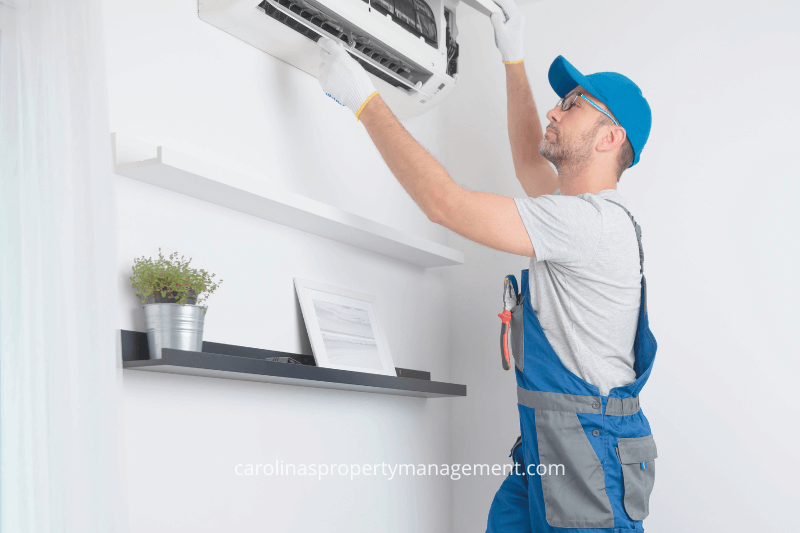
Why Preventive Maintenance Matters for Landlords
Preventive maintenance is not just about keeping a property looking good. It also helps landlords catch small issues before they turn into major damage, which can save money and reduce stress over time. The IRS also treats many repair and maintenance costs differently from improvements, so keeping good records matters for tax reporting.
For landlords, this means staying ahead of problems with the HVAC system, leaks, gutters, roofing, plumbing, and other key parts of the home. NAR also notes that maintenance is part of responsible property management, and rental property owners have core obligations tied to habitability and safety.
High-Priority Maintenance Tasks
Some maintenance jobs should always stay near the top of your list. HVAC service helps your system run better and can reduce the chance of breakdowns during extreme weather. Checking for leaks, especially around sinks, plumbing lines, and ceilings, can help stop water damage before it spreads.
Gutter cleaning and roof inspections are also important because water intrusion can lead to bigger structural issues if ignored. Routine exterior checks, drainage checks, and prompt repairs help protect both the home and your rental income.
Smart Maintenance Schedule
A simple schedule makes preventive maintenance easier to manage. Many owners choose seasonal checks for HVAC, gutters, and exterior drainage, plus annual inspections for plumbing, roofing, and safety systems. Keeping records of what was inspected, what was repaired, and when it was done can help with both property management and tax documentation.
Repairs, Improvements, and Taxes
Landlords should know the difference between a repair and an improvement. The IRS says repairs and maintenance are generally treated differently from improvements, and accurate records help support how costs are reported. A repair keeps property in working order, while an improvement usually adds value, restores the property, or changes how it is used.
That is why preventive maintenance can help on the tax side too. When you document routine upkeep clearly, it is easier to separate normal maintenance from larger capital improvements.
Common Mistakes to Avoid
One common mistake is waiting until a system fails before acting. Another is skipping records, which makes it harder to track costs, schedule future work, and support tax treatment. Some owners also confuse a small repair with a major improvement, which can create reporting problems later.
A third mistake is ignoring habitability issues. Water problems, heating failures, and structural concerns can create legal and financial risk if they are left unresolved. NAR’s guidance on rental property maintenance and habitability makes clear that owners need to stay on top of essential systems and conditions.
Stay Ahead of Costly Repairs
Preventive maintenance is one of the easiest ways to protect your rental property and avoid costly surprises. If you want help keeping your property in top shape, Carolina Property Management is here to help. Call 704-464-3931 or visit carolinapropertymanagement.com to learn more.
FAQ
How often should a landlord do preventive maintenance?
A good starting point is seasonal checks for HVAC, gutters, drainage, and exterior conditions, plus annual review of plumbing, roofing, and safety-related items. Tips on rental real estate income, deductions and recordkeeping | Internal Revenue Service
What maintenance items matter most?
HVAC service, leak checks, gutter cleaning, roof inspections, and plumbing review should be at the top of the list because these issues can lead to expensive damage if ignored. Tips on rental real estate income, deductions and recordkeeping | Internal Revenue Service
Can preventive maintenance save money?
Yes. Preventive maintenance helps catch issues early, which can reduce emergency repairs and limit larger damage later. The exact savings vary by property and condition, so a specific dollar claim would need verification.
Are maintenance costs tax deductible?
The IRS says repair and maintenance expenses are generally treated differently from improvements, and landlords should keep accurate records to support reporting. Residential Rental Property (Including Rental of Vacation Homes) | Internal Revenue Service
Why should landlords keep records?
Records help you track what was done, when it was done, and whether the expense was a repair or an improvement. That helps with property management, tax filing, and future planning. Topic no. 414, Rental income and expenses | Internal Revenue Service