

If you are renting out a property in North Carolina, it may seem helpful to leave a washer and dryer behind. Tenants like the convenience, and it can make your rental feel more complete. But for property owners, that convenience can turn into one more thing to maintain and replace.
In North Carolina, if you provide an appliance at move-in, you are generally responsible for keeping it in working order. That is why many landlords choose not to leave a washer and dryer in the property at all.
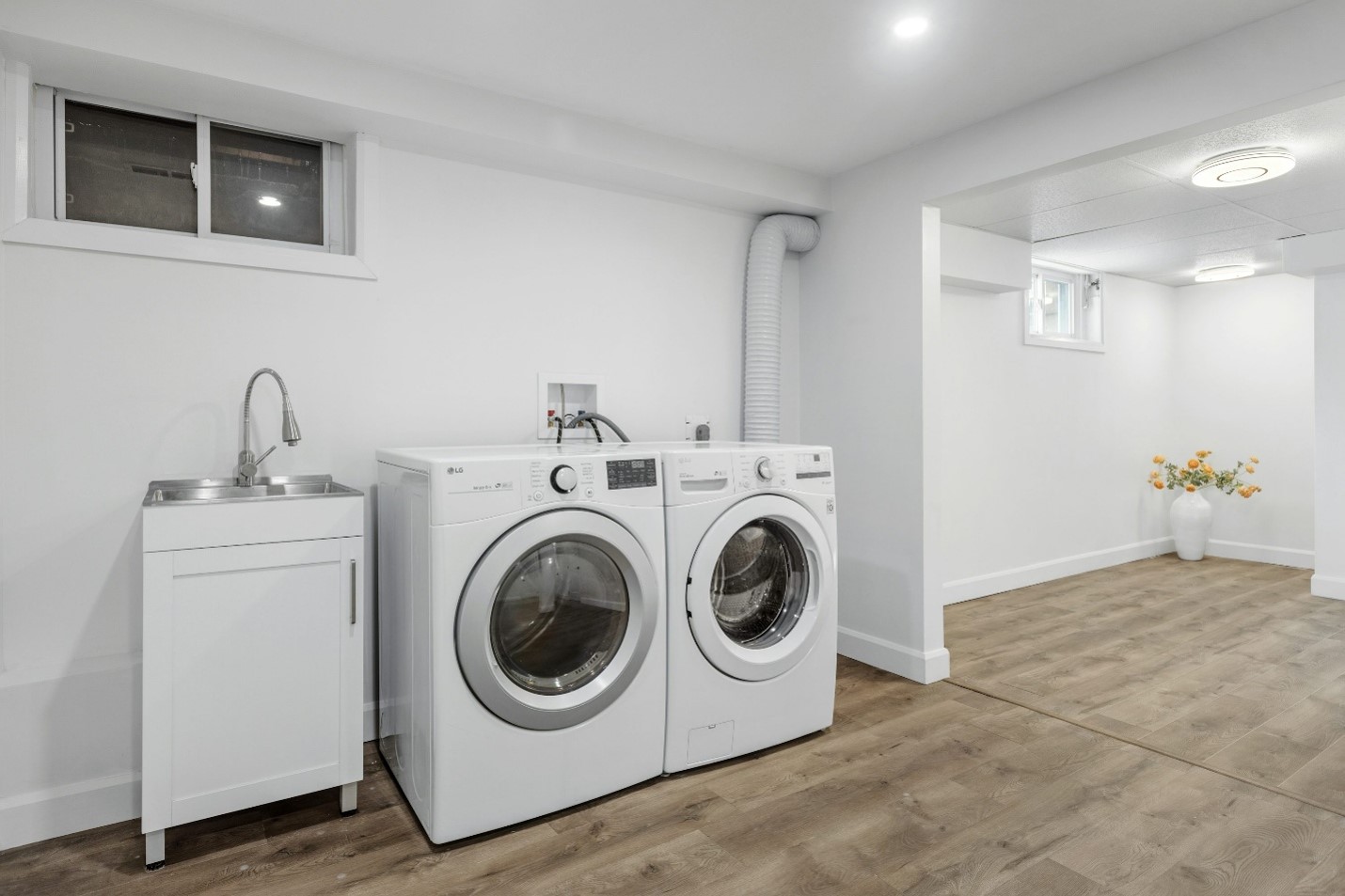
What North Carolina Landlords Need to Know
North Carolina law requires landlords to keep rental property in fit and safe condition and to repair appliances they provide. That includes items such as refrigerators, stoves, and other supplied appliances. If a washer and dryer are included when the tenant moves in, they become part of what you are expected to maintain. NCleg | G.S. 42-42
That matters because a lease does not erase the landlord’s duty to maintain supplied appliances. If you leave the washer and dryer in place, you are also leaving yourself open to repair calls, replacement costs, and tenant complaints when something stops working.
Why Washers and Dryers Break So Often
Washers and dryers get a lot of use in rental homes, and they often take more wear than owners expect. When people are renting, they may not treat the machines with the same level of care they would use in a home they own.
A washer may be overloaded. A dryer may be stuffed too full. Filters may not get cleaned often enough. Over time, that kind of use shortens the life of the appliance. Even if the tenant is not trying to damage anything, normal rental use can still lead to faster breakdowns.
What This Means for Property Owners
Every time a washer or dryer breaks, the landlord has to deal with it. That can mean repair calls, parts, service fees, and eventually full replacement. It also means more time spent managing a problem that could have been avoided.
For property owners, that is the real issue. A washer and dryer may sound like a nice feature, but they can become an ongoing expense instead of a benefit. If your goal is to keep maintenance simple and predictable, leaving them out is often the better choice. North Carolina Landlord Responsibilities (2026)
A Better Option for Rental Properties
Instead of leaving the appliances, many property owners choose to remove the washer and dryer before the tenant moves in. That way, there is no expectation that you will repair or replace them later.
You can still offer washer and dryer hookups if the property allows it. That gives tenants the option to bring their own appliances while keeping the responsibility off your plate. For many landlords, that is the best balance between convenience and protection.
Conclusion
If you own a rental property in North Carolina, the safest move is usually to take the washer and dryer with you. If you leave them behind, you are also leaving behind repair responsibility, replacement costs, and more maintenance work.
For property owners who want to protect their investment and avoid unnecessary appliance repairs, this is a simple decision that can save money over time. If you want help making smart choices for your rental property, contact Carolina Property Management at 704-464-3931 or visit carolinapropertymanagement.com for more information.
FAQ
Do landlords have to provide a washer and dryer in North Carolina?
No. North Carolina law does not require landlords to provide a washer and dryer.
If I leave a washer and dryer, who is responsible for repairs?
If the landlord provides the appliance, the landlord is generally responsible for keeping it working. North Carolina Landlord Responsibilities (2026): to Fix or Provide
Is it better to leave hookups instead of the appliances?
Yes. Hookups let tenants bring their own washer and dryer while keeping maintenance responsibility off the landlord.
Will removing the washer and dryer make my property harder to rent?
Not usually. Many renters care more about price, location, and property condition than whether appliances are included.
Why do landlords often remove washers and dryers?
Because they can break often, cost money to repair, and create extra maintenance work for the owner.