
Allowing tenants to perform maintenance tasks on a rental property can seem like a quick fix, but it can create bigger problems than it solves. For landlords and property owners, the safer choice is usually to keep repairs and maintenance in professional hands.
A rental property is a business asset, and the way it is maintained affects the condition of the home, the tenant relationship, and the landlord’s legal exposure. Landlords are generally expected to keep rental property habitable and in good repair, while tenants are expected to take reasonable care of the unit and report problems early.
Liability Is a Real Risk
When a tenant does maintenance work, the landlord can still end up carrying the risk if something goes wrong. If the repair is done poorly, causes damage, or leads to an injury, that can create a liability problem for the owner. Legal guidance for landlords notes that poor repair work can result in costly damage or even liability for tenant injury.
That risk matters even more when the work involves electrical, plumbing, structural, or safety-related issues. Those are not the kinds of jobs that should be handled casually. If a landlord relies on a tenant for repairs, the landlord may still be responsible if the work does not meet code or creates a hazard.
Quality Matters
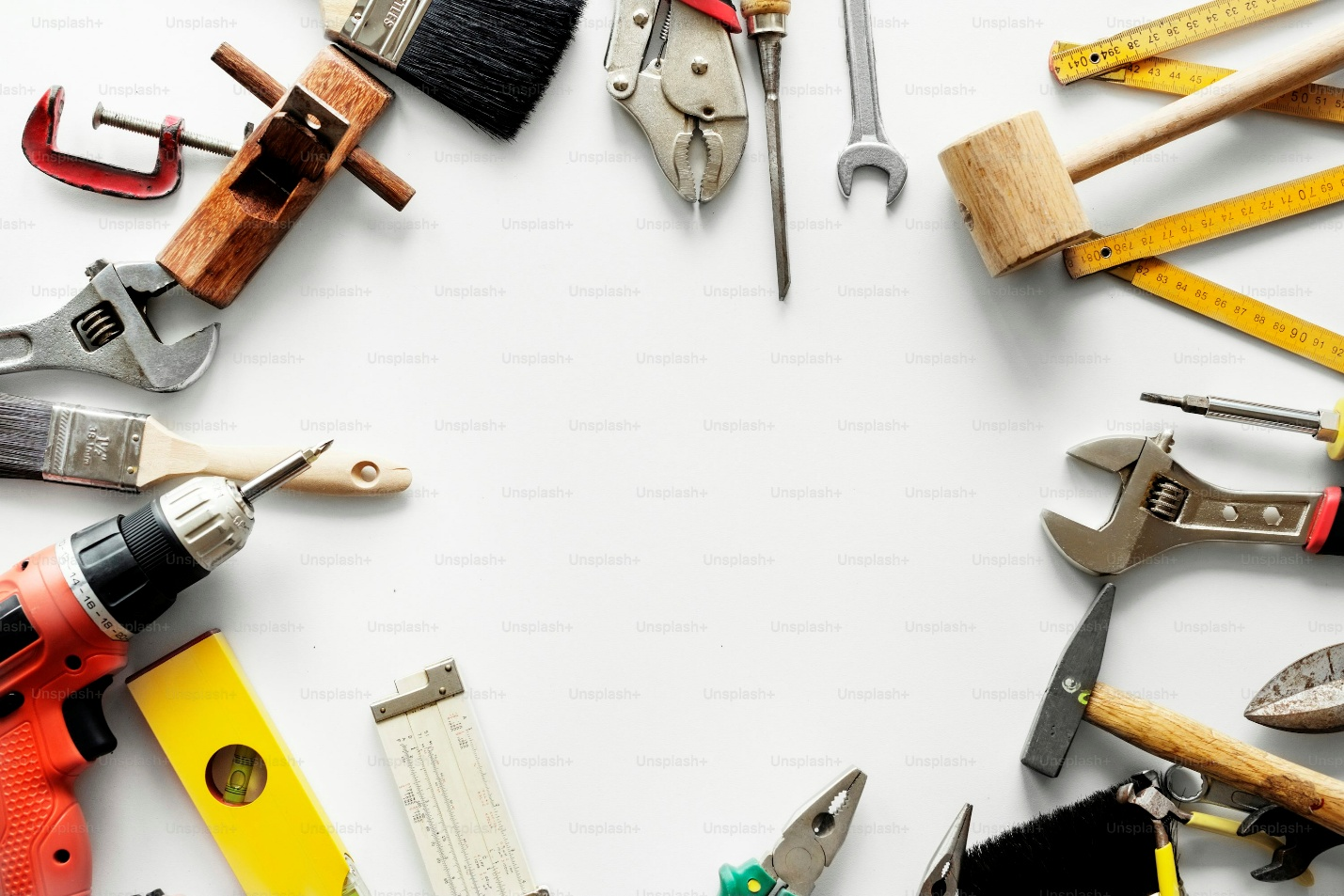
Some tenants may be good with tools, but that is not the same as having a contractor’s training or experience. Professional contractors are expected to know how to diagnose the problem, fix it correctly, and follow the right standards. A tenant doing the work may mean the problem gets patched for now but not actually solved.
That can lead to repeat service calls, higher repair bills, and more wear on the property over time. In some cases, a bad repair can make the original issue worse, which means the owner ends up paying twice. For a rental property, that is not a good trade.
Keep The Relationship Professional
A strong landlord-tenant relationship depends on clear roles. The landlord manages the property, and the tenant lives in it and follows the lease. When tenants start handling maintenance, those lines can get blurred and lead to confusion about responsibility, quality, and payment.
There is also a professionalism issue. A tenant who is doing repairs may start to feel like a contractor, while the landlord may expect contractor-level results without contractor-level accountability. That can create tension and make day-to-day management harder than it needs to be.
Conclusion
Letting tenants handle maintenance tasks may seem convenient, but it can create liability, quality, and professionalism problems for landlords and property owners. If you want your rental property protected for the long term, keep maintenance in expert hands and make sure the work is done the right way. For more information, contact Carolina Property Management at 704-464-3931 or visit carolinapropertymanagement.com.
FAQ
Can a tenant do maintenance on a rental property?
Sometimes minor tasks may be allowed if the lease and landlord approve it, but landlords should be careful. The bigger the repair, the more important it is to use a professional.
Why is tenant maintenance a liability risk?
If the work is done badly or causes an injury, the landlord may still face responsibility. Poor repair work can also create code issues or property damage.
Are landlords responsible for repairs in a rental home?
Yes, landlords are generally responsible for keeping the home habitable and in proper repair. Tenants are expected to take reasonable care of the unit and avoid causing damage.
What kinds of maintenance should be done by a professional?
Anything involving safety, plumbing, electrical, structural work, or code compliance should usually stay with a licensed professional.
Why is professionalism important in property management?
Clear boundaries help prevent confusion, conflict, and poor results. A professional repair process is easier to manage and better for the property overall.