
One of the most important things a property manager does for you is screen tenants. A careful screening process helps property owners lower risk, protect rental income, and place residents who are more likely to follow the lease. Without proper screening, you could end up with tenants who struggle to pay rent, damage your property, or cause ongoing legal headaches that drain your time and money.
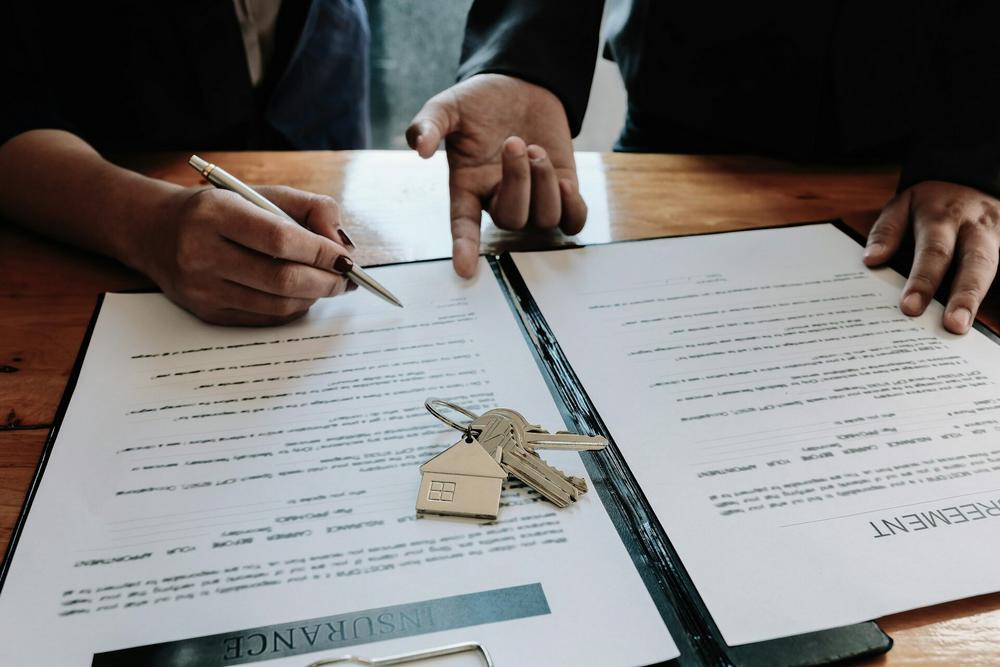
Why Tenant Screening Matters
Tenant screening matters because a rental property is only as strong as the tenant living in it. Missed rent, lease violations, and avoidable turnover can become expensive fast, so owners benefit from a screening process that is clear, consistent, and based on written standards. When you skip screening or do it inconsistently, you leave your investment vulnerable to costly mistakes that can take months or even years to recover from.
HUD says tenant screening should focus on information that is relevant to predicting whether someone will be a good tenant, and NAR recommends using consistent policies for every applicant. This protects you from fair housing complaints while also making sure you are making decisions based on facts rather than assumptions. Property owners who follow these guidelines usually see better long-term results because they are placing tenants who match their standards from day one.
What Carolina Property Management Looks For
Carolina Property Management helps owners do that work the right way. Our goal is to review applicants carefully so you can make informed decisions instead of relying on guesswork. That includes looking at identity, income, rental history, and other information that helps show whether an applicant is likely to meet the terms of the lease. We do not just check boxes. We look for patterns and red flags that might not show up on a surface-level review, which is something individual landlords often miss when screening on their own.
When you work with us, you get a full picture of each applicant before you sign a lease. This means you are not guessing about who is moving into your property or whether they will be able to handle the financial responsibility. The screening process gives you confidence that the tenant you choose is a good fit for your investment.
Income Verification
Income verification is a key part of that process. Fannie Mae's documentation standards show that income should be supported by reliable records and treated as stable and predictable before it is used in a qualification decision. For property owners, that kind of documentation helps answer a simple question: can this applicant realistically afford the rent?
Many applicants say they have enough income, but the paperwork does not back it up. We verify bank activity, employment records, and income sources to make sure the numbers are accurate. This step helps prevent situations where a tenant agrees to a lease but then struggles to pay after the first month. By confirming income properly, you reduce the risk of late payments and avoid the stress of chasing rent every month.
Rental History
Rental history is just as important. A pattern of unpaid rent, lease problems, or unresolved housing issues can point to future risk. HUD guidance says housing providers should use accurate records and avoid relying on records that are incomplete, old, or not clearly relevant to the current application.
When we review rental history, we look for repeated issues rather than isolated problems. One late payment in college does not mean an applicant will be a bad tenant today. But a history of moving out early, leaving behind damage, or getting evicted suggests that similar problems may happen again. This context helps us separate concerns that are worth noting from concerns that are not relevant to your property.
Criminal Background Screening
Criminal background screening also has to be handled with care. NAR advises against blanket bans and says housing providers should not consider arrests alone, while HUD recommends an individualized review that considers the nature of the offense, how long ago it happened, and whether there is evidence of rehabilitation. That is one reason professional screening is about more than just pulling a report and making a quick decision.
We evaluate criminal history in a way that is fair and protects your property. A decades-old offense that does not relate to tenancy is not the same as a recent violent crime or property-related offense. By reviewing each case individually, we follow the law while still protecting you from applicants who may pose a genuine risk. This careful approach helps you avoid fair housing issues and keeps your screening process responsible and compliant.
Why Consistency Protects Property Owners
The biggest advantage of professional screening is consistency. When the same written criteria are used for every applicant, property owners can reduce the chance of missing red flags and lower the risk of fair housing problems. NAR and HUD both stress the importance of applying screening rules fairly and consistently.
Without consistency, you can end up rejecting one applicant for something that you accepted from another. That pattern can create legal problems and damage your reputation. A professional property manager uses the same standards for everyone, which makes your process stronger and more defensible. It also makes your work easier because you are not trying to remember different rules for different people.
Next Step
If you own a rental in Charlotte and want help finding qualified tenants, Carolina Property Management can handle the process for you. Call 704-464-3931 or visit carolinapropertymanagement.com to learn more about our services. Our team will take the screening work off your plate so you can focus on building your investment instead of managing tenant headaches.
FAQ
What does tenant screening include?
Tenant screening usually includes identity checks, income review, rental history, and criminal background screening. HUD and NAR both emphasize that screening should be relevant, consistent, and based on written criteria. A property manager uses all of these areas to build a full picture of the applicant before you make a decision.
Why does income verification matter?
Income verification helps confirm whether an applicant can afford the rent. Fannie Mae's documentation guidance shows that income should be supported by reliable records and treated as stable before it is used to qualify an applicant. Without this step, you risk placing a tenant who agrees to the lease but cannot actually pay the monthly amount.
Can a landlord reject someone for having a criminal record?
Not automatically. NAR says landlords should avoid blanket bans, and HUD says criminal history should be reviewed individually based on the facts, not used as an automatic exclusion. Every case needs to be evaluated for relevance, timing, and risk before a decision is made.
Why use a property manager for screening?
A property manager helps apply screening criteria consistently, which can reduce risk and improve compliance. That consistency is a major theme in both NAR and HUD guidance. Professional screening also saves you time and gives you access to tools and expertise that most landlords do not have on their own.