
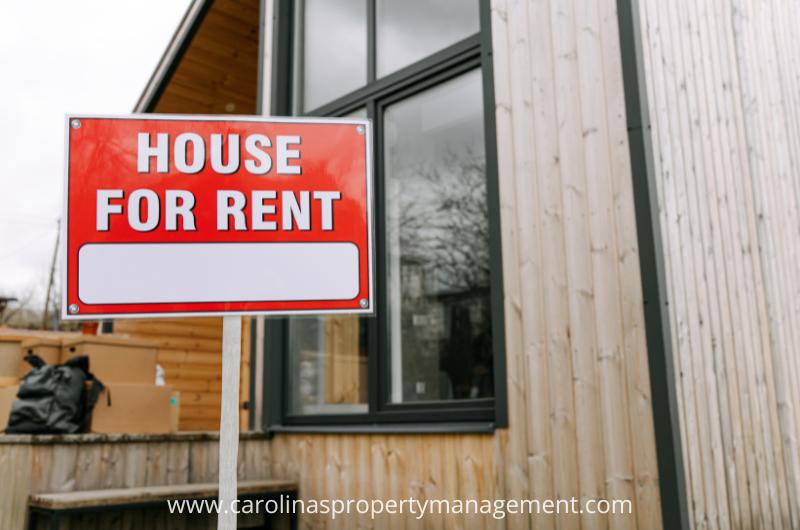
Managing rental property in North Carolina and South Carolina can be a powerful way to build long‑term wealth and steady income. Owning in the Carolinas means tapping into growing cities, strong suburban communities, and desirable lifestyle markets. But once you buy the property and sign with Carolina Property Management, you step into a new role: you are now a landlord.
This guide is written with that “overnight landlord” in mind. Maybe you bought a duplex, a townhome, or a single‑family rental and there were already tenants in place the day you closed. Maybe you turned your former home into a rental. Either way, you now own a property where people live, and you have real responsibilities. This guide explains what it’s like to be a landlord in the Carolinas, what you should expect, and how to prepare so you can be effective and confident while our team handles the daily operations.
What It Means to Be a Landlord in the Carolinas
The Carolinas are full of different rental markets: urban areas like Charlotte, Raleigh, Greenville, and Columbia; growing suburbs; and smaller towns that attract long‑term renters. Each area has its own rent levels, tenant expectations, and culture. Being a landlord here is more than owning a house. It means providing safe housing, communicating clearly, and treating tenants fairly.
Property management is not just rent collection. It includes tenant satisfaction, property care, and compliance with state and local rules. Carolina Property Management handles the day‑to‑day work, but you still set the tone as the owner. When you understand what’s unique about renting in North Carolina and South Carolina, you’ll make better decisions and feel more confident about your investment.
Availability and Time Commitment
Being a landlord is rewarding, but it does require attention. Without a management company, landlords spend time answering tenant calls, coordinating repairs, handling paperwork, and dealing with emergencies. With Carolina Property Management on your side, that load is much lighter, but you should still expect some ongoing engagement.
Here’s what that usually looks like for you:
Being available for decisions when we recommend major repairs, upgrades, or rent changes.
Looking at owner statements regularly so you understand your income, expenses, and cash flow.
Reviewing renewal recommendations when a lease is nearing expiration.
Seasonal tasks still matter. In the Carolinas, that can include planning for summer HVAC demands, checking for moisture or drainage issues after heavy rain, and making sure the property is ready for colder weather. We coordinate the work; you approve the plan and budget.
“Why Every Landlord in NC and SC Needs a Property Manager”
Professionalism and Tenant Relations
Positive tenant relationships are at the heart of successful property management. When tenants feel respected and know what to expect, they are more likely to stay longer, pay on time, and take care of the property. That benefits you directly.
Professionalism as a Carolina landlord looks like:
Supporting clear written lease terms and standing by them.
Treating tenants consistently and fairly instead of making random exceptions.
Responding promptly when we contact you about repairs or decisions that affect tenants.
We partner with reliable vendors to keep your property in good shape, from HVAC techs to plumbers and landscapers. You can help by approving work and understanding that well‑maintained homes attract better tenants and higher rents over time. Simple touches like clean common areas, well‑kept yards, and quick responses to issues show tenants they are living in a well‑run home.
Education and Networking: Stay Informed
Landlord best practices and local rules can change over time, and staying informed helps you avoid surprises. Even though you have a management company, you are still the owner, and a basic understanding of the rules in North Carolina and South Carolina will serve you well.
You can stay informed by:
Reading landlord‑focused articles about deposits, notices, and habitability in the Carolinas.
Attending local investor meetups or landlord groups in your city.
Talking with your tax professional and, when needed, a real estate attorney about bigger questions.
Continuous learning helps you ask better questions, understand our recommendations, and spot opportunities to improve your property.
“5 Common Mistakes Charlotte Landlords Make and How to Avoid Them”
Insurance: Protecting Your Investment
Being a landlord is also about risk management. A standard homeowner’s policy usually is not enough for a property used as a rental. Landlords in the Carolinas should carry a policy designed for rental dwellings that covers the structure and provides liability protection.
It’s also wise to require tenants to carry renters insurance in the lease. Renters insurance protects their belongings and may include liability coverage related to their actions in the home. This adds an extra layer of protection for both you and them.
Insurance is part of responsible property ownership. When something goes wrong like a fire, major water damage, or an accident, having the right policies in place makes recovery faster and less stressful.
Compliance with Local Codes and Standards
Each state has rules about habitability, safety, and property standards, and local municipalities can have additional codes. As a landlord in the Carolinas, you are responsible for making sure your property meets these standards, even if we are coordinating the work.
That can include:
Working smoke detectors and, where required, carbon monoxide alarms.
Proper electrical and plumbing, no major leaks, and safe heating and cooling.
Making repairs in a reasonable time after issues are reported.
Regular inspections and preventive maintenance help catch problems early and keep your property in good shape. Many owners find that pairing routine inspections with open communication reduces long‑term costs and avoids major failures. You can support this by approving inspections and being open to recommendations that protect the property’s value.
Mastering Carolina Landlord‑Tenant Basics
You don’t need to be a legal expert, but you should understand a few key points:
How security deposits must be held and returned in your state.
What notice is required before entering the property or ending a tenancy.
The proper process if a tenant fails to pay rent or violates the lease.
North Carolina and South Carolina each have their own landlord‑tenant laws, and the details matter. We follow those rules and use documented procedures for notices, deposits, and, when necessary, court filings. This helps avoid costly mistakes and protects you and your tenant.
Effective Leasing Strategies in the Carolinas
Leasing is the heartbeat of your rental business. Even with a management company, it helps to understand how leasing works, so you know what to expect when a unit becomes vacant.
In the Carolinas, effective leasing usually includes:
High‑quality photos and clear listing descriptions that show off the property’s strengths.
Honest advertising about key features like parking, pets, laundry, and outdoor space.
Transparent qualification criteria so applicants know what is expected.
Seasonality matters here too. Many markets in the Carolinas see stronger leasing activity in spring and summer, when families prefer to move and weather is easier for showings. Pricing and timing can affect how quickly your unit fills and what kind of applicants you attract.
Applicant Screening and Selection
Selecting the right tenant is one of the most important parts of being a landlord. Good screening reduces risk, protects your property, and improves your experience as an owner.
A strong screening process usually includes:
Income verification to confirm the tenant can afford the rent.
Credit checks to see payment habits and outstanding debts.
Rental history and references to understand how they treated past rentals.
Background checks, within the limits of fair housing laws.
Consistent criteria applied to everyone helps keep screening fair and defensible. Prioritizing tenant quality over speed often leads to longer, more stable tenancies.
“How Carolina Property Management Protects Your Investment”
Pricing Your Rental Competitively
Setting rent is both art and science. The Carolinas have diverse neighborhoods and property types, so rates can vary widely from one area to another. Your goal is to balance strong returns with realistic demand.
When pricing, consider:
Location and nearby amenities.
Size, condition, and age of the home.
Included features like parking, outdoor space, upgrades, and pet policies.
Regular rent reviews help keep your property aligned with the market, especially at renewal time. Competitive pricing attracts better applicants and reduces vacancy.
Clear and Open Communication
Communication is one of the easiest ways to improve your experience as a landlord. Good communication sets expectations, reduces conflict, and helps issues get resolved quickly.
You should expect:
Tenants to have a clear way to reach us for maintenance and account questions.
Online portals or systems for payments and requests to keep everything documented.
Regular updates from us when there are important changes, major repairs, or renewal discussions.
You can help by:
Responding promptly when we contact you about approvals or decisions.
Sharing any changes in your goals, such as wanting to sell, refinance, or do major upgrades.
Letting us know your preferred communication style so we can match it.
“This Is How to Be a Good Landlord in Charlotte, NC”
Proactive Lease Renewals
Retention is key to a smooth rental experience. Filling vacancies costs time and money, even with a management company. Encouraging good tenants to renew is often the best move.
A proactive renewal approach might include:
Reviewing tenant history a few months before the lease ends.
Looking at current market rent and deciding on a fair renewal rate.
Considering small improvements that make the property more attractive to stay in.
Sometimes a modest rent increase with good communication is enough. In other cases, keeping rent stable or offering a minor upgrade can support a longer tenancy.
“4 Must-Know Lease Renewal Strategies for Landlords in Charlotte”
“Everything You Need to Know about Lease Renewals in North Carolina”
Handling Maintenance with Care
Maintenance is where many landlords feel stress, especially when they’re new. Ignoring issues or cutting corners can lead to bigger, more expensive problems and unhappy tenants.
As a landlord with Carolina Property Management, expect:
Tenants to report problems through our system so we can dispatch vendors.
Routine checks and seasonal tasks to keep systems in good shape.
Clear communication from us about larger repairs that affect safety or function.
Your role is to approve needed work and be realistic about the cost of owning a home. Well‑maintained properties rent faster, attract better tenants, and often justify stronger rent over time.
“Why Smart Landlords in Charlotte and the Carolinas Never Skip These Two Maintenance Services”
Financial Management and Accounting
Behind the scenes, rental property is a business. Good financial habits make it easier to track performance and handle tax time.
As a landlord, you’ll want to:
Keep rental income and expenses organized and separate from personal spending.
Review statements for accuracy and patterns in repairs, vacancy, and rent growth.
Work with a tax professional to use allowed deductions and plan for the future.
We provide statements and reports; you use them to make decisions. Over time, you’ll spot trends and see where small changes can improve returns.
“Rental Property Accounting: What to Know as a Landlord in Charlotte. NC”
Knowing When to Outsource (Beyond Property Management)
You’ve already chosen to outsource property management, which covers most of the day‑to‑day operations. Some landlords also choose to outsource other tasks when it makes sense.
That can include:
Using a real‑estate‑savvy CPA for tax planning and filing.
Working with an attorney for more complex legal questions or unusual situations.
Hiring specialists for larger projects like major renovations.
The key question is what your time is worth. If a task is stressful, confusing, or far outside your skill set, getting professional help can save money and headaches in the long run.
Conclusion: Thriving as a Carolina Landlord with Carolina Property Management
Being a landlord in the Carolinas is about more than owning a property. It’s about understanding your role, supporting clear systems, and making smart decisions while a professional team handles the daily details. You don’t have to manage everything yourself, but you do benefit from staying informed and engaged.
Carolina Property Management is here to handle the operations so you can focus on long‑term goals: stable tenants, a well‑kept property, and solid returns over time. Use this guide, explore the linked blogs for deeper topics, and reach out whenever something is unclear.
If you want to talk through your specific property or a situation you’re facing right now, call us at 704‑464‑3931 or visit carolinapropertymanagement.com.